Session 5
Can’t make it? Register and get the replay sent to your email.
In This Session
You haven’t got time to chase reviews. Nobody running a business has.
So it works the way it works for most Queensland service businesses. You finish a job, you do it well, and if the customer thinks to leave a review, good. If they don’t, you’re onto the next one.
Meanwhile the customer who found your ad is reading your reviews before they call. So is the one who got your name from a neighbour. If the most recent thing they read is from two years ago, they quietly go elsewhere and you never hear about the enquiry.
That’s the expensive part. Not the reviews you’re missing. The jobs you never knew were on the table.
Three quarters of people only look at reviews from the last three months. Nearly a third won’t consider a business rated below 4.5 stars, up from 17 per cent a year ago.
Jess Deacon and Duncan Croker cover what a review process looks like when it actually runs, why collecting reviews isn’t the same as having a strategy, and how reviews now affect whether Google and AI tools surface you at all.
Register and we’ll send you our self-assessment, Are You Leaving Your Reviews to Chance? Ten minutes tells you where you sit against your competitors.
Join live and you can put a question to Jess and Duncan directly.
30 minutes. Conversational. No pitch.
Source: BrightLocal Local Consumer Review Survey 2026, US data.
Five review factors affect how visible you are in local search:
Melissa: Welcome to this month’s Signal Session. I’m Melissa, Client Success Manager at iOnline, and today I’ve got Jess Deacon, our Operations and SEO Manager, and Duncan Croker, our Content Strategist, to talk about something that trips everyone up: reviews. Before we get into it, I’m popping a quick poll on screen to see how often you’re actually asking your customers for reviews. If you’ve got questions as we go, drop them into the chat or the Q&A tab.
So most people aren’t regularly asking for reviews. Let’s get into it. Everyone is telling us reviews are important. Why is that?
Jess: There are mainly two reasons. It helps build trust in your business before someone even enquires, especially with service-based businesses. People want to know what your services are like and what your customer service is like before they get in touch. If you don’t have good reviews, or recent ones, they’re more likely to go to a competitor.
Duncan: A good way to think about them is as a final confirmation layer. Someone’s assessing different options to solve their problem. A few look, on the surface, like they match their selection criteria. Then they go and look at the reviews, and that’s the determining factor in whether they choose you or one of the others.
Jess: On screen we’ve got some stats from a company called BrightLocal, from a recent study they did. This is how many people are actually reading reviews and what it makes them do afterwards.
Duncan: The 97% and the 41% are probably the most relevant for business owners. It’s tempting to think of reviews as something people might look at occasionally, but almost everyone looks at them at some point, and 41% always read them. That’s a huge determinant in whether someone chooses your business. It doesn’t get much bigger than that.
Some of the others are interesting too. Making sure you’re getting reviews from happy customers is critical, because people are normally tempted to leave a review when they’ve had an amazing experience or a terrible one. You want to be proactively reaching out to the people who are happy with your business.
Melissa: I’m guilty of that. I’m really proactive about leaving great reviews. I’ve been in service industries my whole life, so I’m a bit more gentle. When I’ve had a really great experience I’ll review, but not so much when it’s just as expected. Does that mean people relying on reviews aren’t getting a fair, broad view of the business, if everyone’s only leaving really good or really bad ones?
Duncan: That is the natural tendency. Obviously as a business owner you want the true representation of your business, and that’s where you want to reach out and get a sample size that’s representative. Otherwise it does tend to skew in those two directions.
Melissa: Say I’ve got my Google Business Profile set up but I haven’t been actively getting reviews for a few years. If I’ve got a few reviews and they’re really old, does that matter?
Jess: It shows how long your business has been around. Even if you’ve got a bad review, if you’ve responded in a professional, polite way, that shows people the character of the business. You’re not just going on the defensive. It still helps your reputation, because it’s inevitable that you won’t please every customer. You’ll have a couple who had a bad experience from their point of view and vent about it. So how you handle it is important.
Melissa: We were talking before about a business with all five-star reviews, and how that sets alarm bells off, because surely they can’t be that perfect. Is it better to have all five-star reviews, or lots of real reviews?
Jess: Lots of real reviews. If you’ve got nothing but five stars it sometimes raises flags. Are these fake reviews? What did everyone get out of this?
Duncan: Customers these days are relatively tech savvy. When they see an exorbitant number of five-star reviews, they consider that as a possibility, and you get the reverse of the effect you wanted, because they start to mistrust your business.
Melissa: I think I can guess from that answer, but what’s your opinion on using incentives to get reviews?
Jess: You can’t, really. It’s against Google’s guidelines to incentivise a review. You want to put your best foot forward and give people the service they’re wanting. But you’d also want to ask in the moment. If someone’s had a fantastic experience and they know they’ve had a fantastic experience, ask while you’re there. They’re more likely to do it then and there than come back to it another day, because otherwise it slips their mind.
Jess: Reviews aren’t just good for your reputation. They help your local SEO and your visibility as well.
Duncan: There’s an easy way to remember the factors that go into it:
Melissa: Especially because if you search for a specific service and the map shows up, Google actually highlights when that service is mentioned in a review. So it’s not just about getting five stars.
Going back to velocity, small business owners are busy. Setting up something easy to manage, even one quick question at the end of a service, makes it a lot less daunting than thinking you need 50 Google reviews and have to go back to every client you’ve ever had. It’s just part of your process.
I’ll leave this one to you two to explain.
Jess: This is another recent study put together by Whitespark. It shows a breakdown of the main ranking factors that go into local search. For local map packs, 32% is Google Business Profile signals. So making sure that’s up to date with relevant information, and actively getting new reviews consistently.
Duncan: It’s worth calling out that while these are reasonably accurate, they’re based on the opinions of SEOs. We have no visibility into a lot of these ranking factors, and Google certainly isn’t going to share percentages with us. But these are experts in local SEO, so it’s a good guide.
Jess: And it’s not just local search. If you’ve searched for a service in an AI search engine recently, you’ll have seen map packs listed in there, pulling through the reviews and the ratings. So again, making sure you’ve got that review process in place matters.
Melissa: Most businesses don’t have a dedicated process for collecting reviews. There’s a lot of opportunity for businesses to quickly and cheaply start getting visibility on Google Maps and Google Business Profile. Why do you think not many people are doing it?
Jess: It’s just another thing to add. In smaller businesses the owner is already doing a lot, and taking the time to remember to ask is another step in the process. With service-based businesses, if you brief your employees and it’s just part of the customer service you take people through, that works really well.
What I’ve seen businesses do is have a QR code linking to their Google Business Profile, printed on a poster on the wall or on the desk, because sometimes people only pay on the way out and it’s right there. Or on business cards. Or when they follow up with an email invoice, the QR code links to the review page.
Duncan: On why a lot of people don’t have a Google Business Profile in the first place, I think it comes down to a lack of awareness of how that profile interlinks with everything else. People don’t realise it directly impacts their website and their visibility. Google Business Profiles are referenced by far more than just where you show up on a map. They affect the broader ecosystem.
Jess: Another common assumption is that you’ve always got to have a physical address on it. If you don’t have a physical office location, you can just set it as a service area. A lot of the time it’s a home business and you don’t want your home address out there. Google may need it initially for verification, but they’ll let you turn that off so it just shows the area you serve.
Setting up the account takes about 10 minutes. Verification on its own can take one to two weeks, depending on Google and the time of year. It takes longer at the end of the year, leading up to Christmas, with lots of businesses trying to get verified, because sometimes you still get postcard verification and the postcards take longer.
Google gives you multiple ways to verify and you’re never guaranteed which one you’ll get. Phone, email, postcard. They’re also slowly rolling out a test for uploading a picture of the storefront, though I believe that’s being tested in the US at the moment. You don’t always get the same options.
Melissa: Getting more reviews is easier than most people think. The account is quick to set up. The review side is where the time needs to go. So how do you build that into a small business owner’s workflow?
Jess: Depending on the business type, most people send an invoice or a receipt afterwards, and that’s usually already templated, so you can automate it and add it in there. On the e-commerce side there’s always an email chain, and there are programs you can use to set up an automation that triggers once the order’s been delivered.
There are two different approaches. You’ve got your more general business reviews, which are more relevant to service-based businesses but still relevant to e-commerce, because they cover how the business actually operates. Then for e-commerce you also want product reviews. For those you can look at somewhere like ProductReview or Trustpilot, because you can embed those into your product pages so they flow through to the specific product. In ProductReview you can set it up by product and send someone a link, or they can search it themselves.
Duncan: One thing on sending people emails. It is a commercial message, and in Australia you can’t just send people commercial messages. You need to get consent first. So have consent embedded somewhere in the process, and then you can send the follow-up email. Otherwise I’d be very cautious about it.
Jess: For sure, especially from an SMS perspective. You’d want to do it on an intake form. That’s the way I’ve seen it most.
Duncan: There are lots of different ways to do it. Even with something like a restaurant, where there’s no intake form, you’ve got QR codes, and you can make it a term of use.
Jess: From a restaurant perspective that’s where a printed card really helps. It’s there, they can do it if they want, and you can tell them it’s there. In a restaurant the waiter or waitress has already built a rapport with the customer, so there’s some sort of relationship there.
Melissa: Ideally an in-person ask is probably the best, because it feels a lot more natural.
Jess: From our own experience, when we’ve been in with a client and asked for a review, they do then actually go and do it after the meeting. You’ve got them in the moment they’re thinking about it, and usually it’s immediate. Whereas if it’s in an email or buried in their reporting, they might not see it.
Melissa: I’ve noticed a lot of businesses doing text confirmations lately. A text to confirm your booking, and then straight after, a text asking for a review.
Jess: Some businesses have an automation that goes out to everyone, so there’s no human error in it. And from an SMS perspective, if I get a text asking for a review I’m more likely to do it than if it’s an email.
Melissa: I’m the same. I’m usually scrolling on my phone anyway, so if I’ve got a text it’s easy to click the link.
Jess: But again, don’t just click every link you get in an SMS.
Melissa: That’s a whole other topic. We haven’t got time for that one today.
Jess: You want to make sure you’re replying to all reviews. It shows you’re actually paying attention to what your customers are saying. Even with a bad review it’s good to respond, because it shows how you react in those situations. As we all know, everyone has a different perspective.
Duncan: It’s definitely worth being polite in those replies, and not leaving sassy remarks that end up screenshotted.
Melissa: I do love reading the sassy remarks when I spot them. I get into a bit of a hole reading through all the replies.
Jess: If you get in there while you’re still in the emotions, it makes your business look bad. If you take some time and think about it, rather than replying while you’re emotionally charged, it comes out better, and then people read it and think the other person was being unreasonable. Sometimes it wasn’t actually an issue, it was just a miscommunication. It’s how you handle it. Be the bigger person, be better than the keyboard warrior.
Melissa: This forms part of what we’re sending you after the session. We’ve got a checklist quiz so you can self-assess your business and get started putting a process together. So what’s one thing somebody could do this week?
Duncan: Check how many reviews you have currently, and look at your competitors as well. That’s something we look at when we run audits. Take your top five competitors and see what their reviews are like. Look at those factors we mentioned, both the overall number of reviews and the average star rating, and see how you’re stacking up.
Melissa: Realistically, how long would it take to start seeing a difference once you’ve got a review process in place and you’re building reviews up, from an SEO perspective?
Jess: That’s quite hard to answer. It depends on the industry. If you’re a lawyer, that’s a very competitive industry, and you probably won’t ever see immediate results.
But you might see a difference in people actually clicking through to your business, and you can get those stats from your Google Business Profile. If you have 10 reviews compared to a competitor with 50, they’re most likely going to go to the one with 50.
Duncan: To build on what Jess said, how long is a piece of string. There are so many factors. But as a recent example, a business hadn’t been getting reviews for a particular location. They started a review program, and there was other work being done alongside it, but within about two months they were on the first page for a lot of what they were targeting. So it definitely has an impact, but it is all relative.
Jess: There are a lot of other external factors as well. You could be doing multiple things, content tweaks at the same time. If you were to just do one thing you probably wouldn’t see that much of a difference from an organic traffic perspective. But implementing an automation or a routine, you should see a pretty immediate reaction from your customers. That’s what we saw. They implemented it and immediately started getting new reviews.
Melissa: If there’s one thing to take away, go and check how many reviews you’ve actually got, how recent they are, and how they stack up against your competitors.
We’ll send you the free self-assessment quiz along with your replay, and that’ll be in your inbox within 48 hours. If you’ve got any questions at all, just reach out. Thank you to Jess and Duncan for joining us today.
Hosted by
Save Your Seat
Attendance is limited to 200 seats. Even if you can’t make it, we’ll send you the recording.
Wednesday 19 August 2026
People
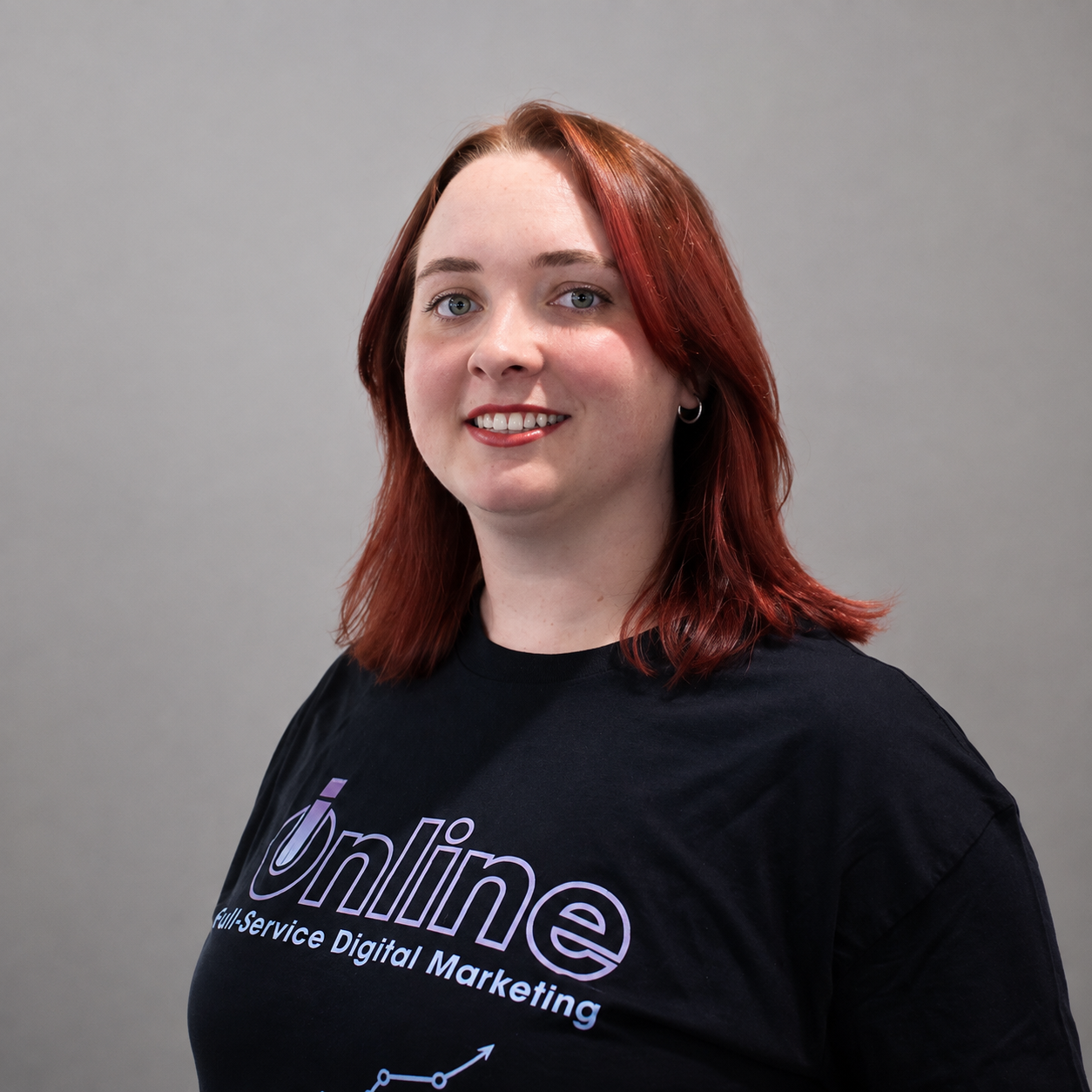
Jessica Deacon
Operations and SEO Manager

Duncan Croker
Content Strategist
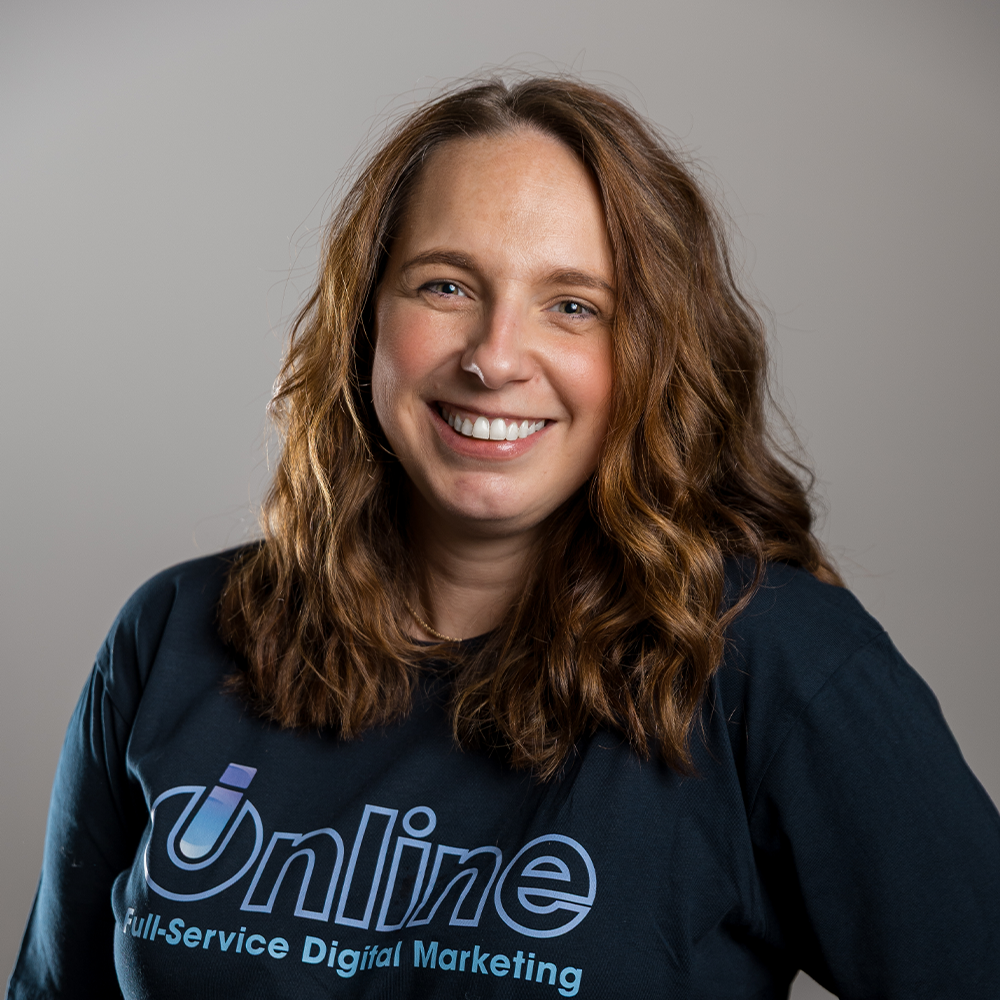
Melissa Stewart
Client Success Manager
30 minutes. Zero obligation. Online or in-person.
Team Member Name
Team Member Title

Watching: TV

Listening: Music

Reading: Book

Drinking: Drink

Quoting: Quote

Obsessed With: Love
Why I love what I do:
Enter text
I am not about:
Enter text