Elevate the experience of your target audience across websites and apps with our UX and UI design services.
We back brands big and small.
You have your brand’s story.
Now you need a setting – a frame to emphasise and enrich your words.
Because good design isn’t passive.
It elevates the messages that matter.
It straddles that knife-edge of form and function.
And, most importantly, it helps your users do the things that they need to – a silent guide in a complex digital landscape.
Find out how we can help you develop and test brand-centred designs for websites and apps.
Our Solutions
Design digital properties like apps and websites, and test them in simulated or real-world environments.
Bad design isn’t always ugly. Gauge your website’s efficacy with a UX/UI audit grounded in our proprietary design rubric.
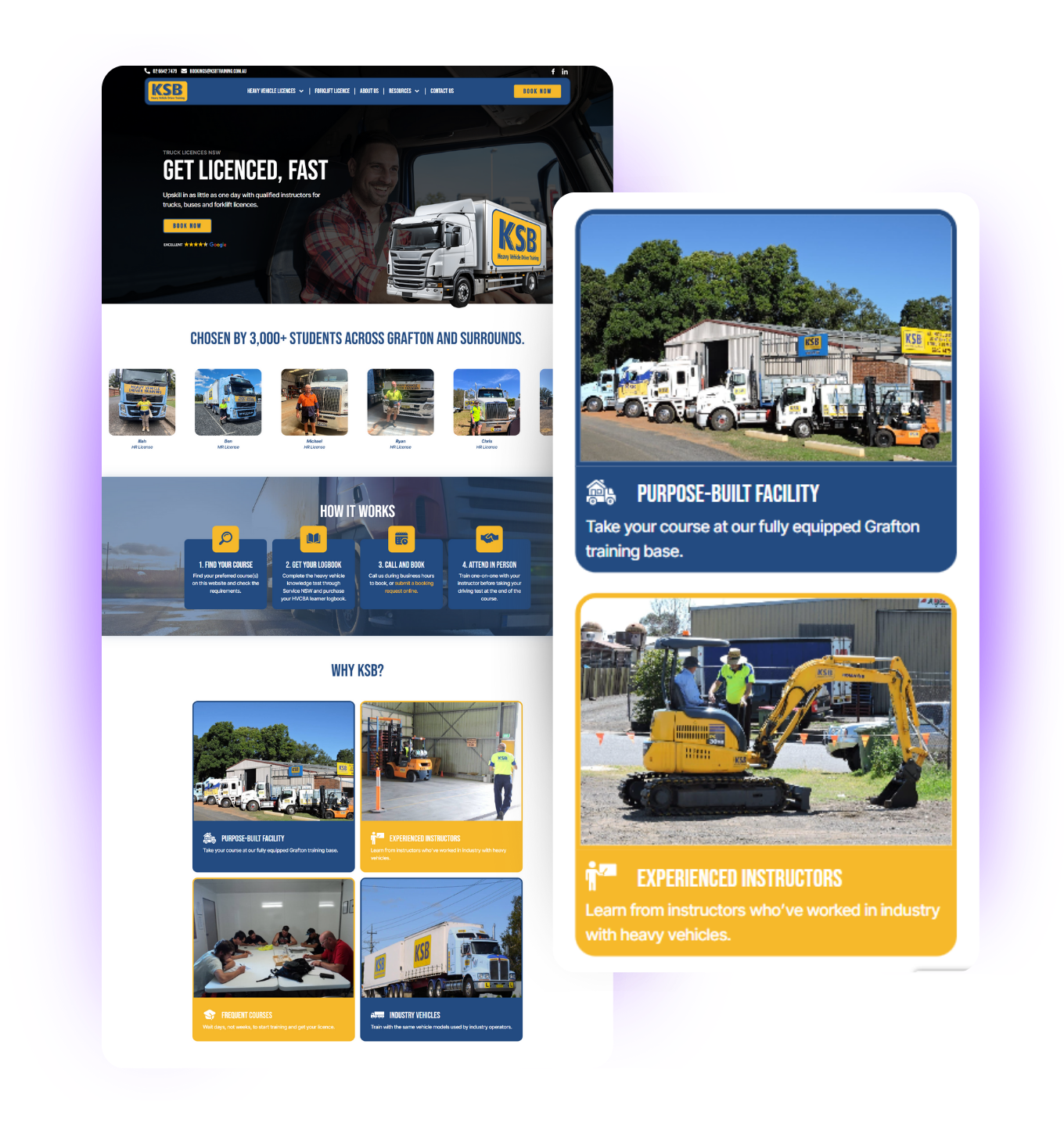
Refresh your existing website – or ask about building a new site or app with end-to-end design and development.
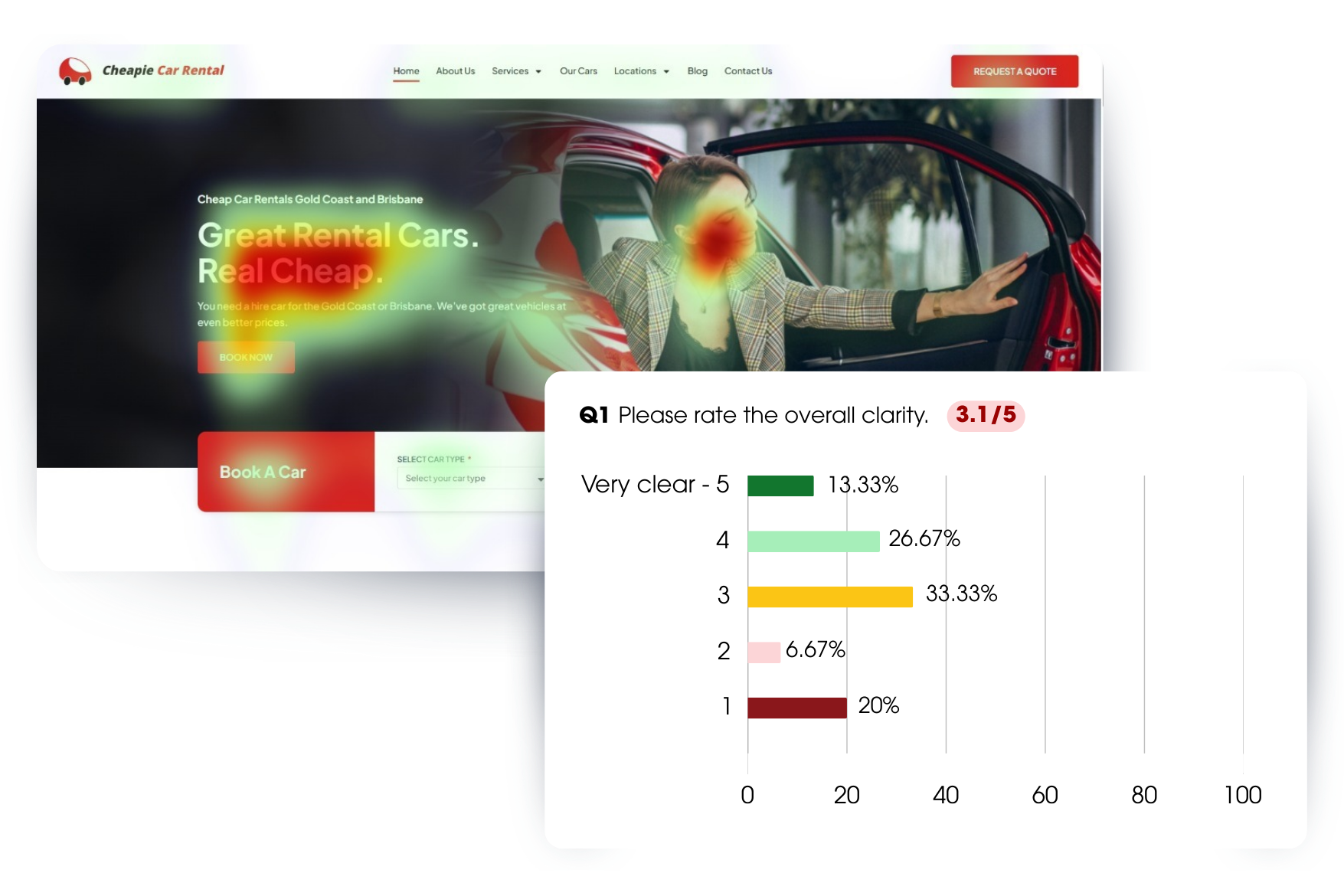
Even the best heuristics can’t compare to data. See how your ideal customers actually engage with your site or app through heatmapping and other forms of user testing.
Designing effective touchpoints starts with clarity – knowing where your customers are coming from, and where they’ll be heading next. We’ll help you develop data-based journey maps for use across your marketing, sales, and CS teams.
Collect website user data, form hypotheses, and build an experiment pipeline that improves your marketing ROI.
Data means nothing if you can’t use it to drive change. Ask us about setting up software like GA4 and conducting regular analyses.
Work with us to create 3D models of products – then deploy them online for your customers to engage with.
We work with industry-leading platforms.

Differences
There are over 18,000 UX/UI design agencies in Australia. Here are 3 reasons to choose us.
When we build your brand’s strategy, we look at the whole house, not just each room.
That means a holistic approach centred on your business goals – using whatever digital channels work best.
We’ve been blazing a path through digital landscapes since 2000.
That experience is reflected in our digital-first design methodologies, developed and refined over more than 24 years.
Our designers work from our office on the Gold Coast, Queensland.
We don’t outsource to offshore freelancers, we understand Australian audiences, and we know how to stay compliant in regulated industries.
I have been working with iOnline for more than 20 years.
That would say a lot about how trustworthy and how good they are with what they do.
Apivut Chakuthip
General Manager, Seniors Plus
Services
The best websites and apps don’t spring fully formed from the minds of designers.
They’re shaped by user interactions, each click and conversion part of an ongoing feedback loop.
When our designers audit one of your digital properties, that data is distilled into a set of actionable insights.
No guesses.
No decisions built on bad assumptions.
Just practical recommendations about factors like clarity, consistency and cognitive load – recommendations based on the actions of your real-world users.
Services
Digital design can seem subjective – no ‘right’ choices, just preferences and opinions.
We disagree.
Some designs are effective.
They make it easy for users to find the right information, to learn about your products and services, to take the next step.
Others aren’t.
And the only way to tell the difference between the two is through testing.
Design validation uses tools like heatmapping, session recording, and user testing to build a window into your users’ psychology, which our UX specialists package into easy-to-understand reports.
Because ‘Do I like this?’ shouldn’t be on the table.
The only question should be, ‘Does it work?’
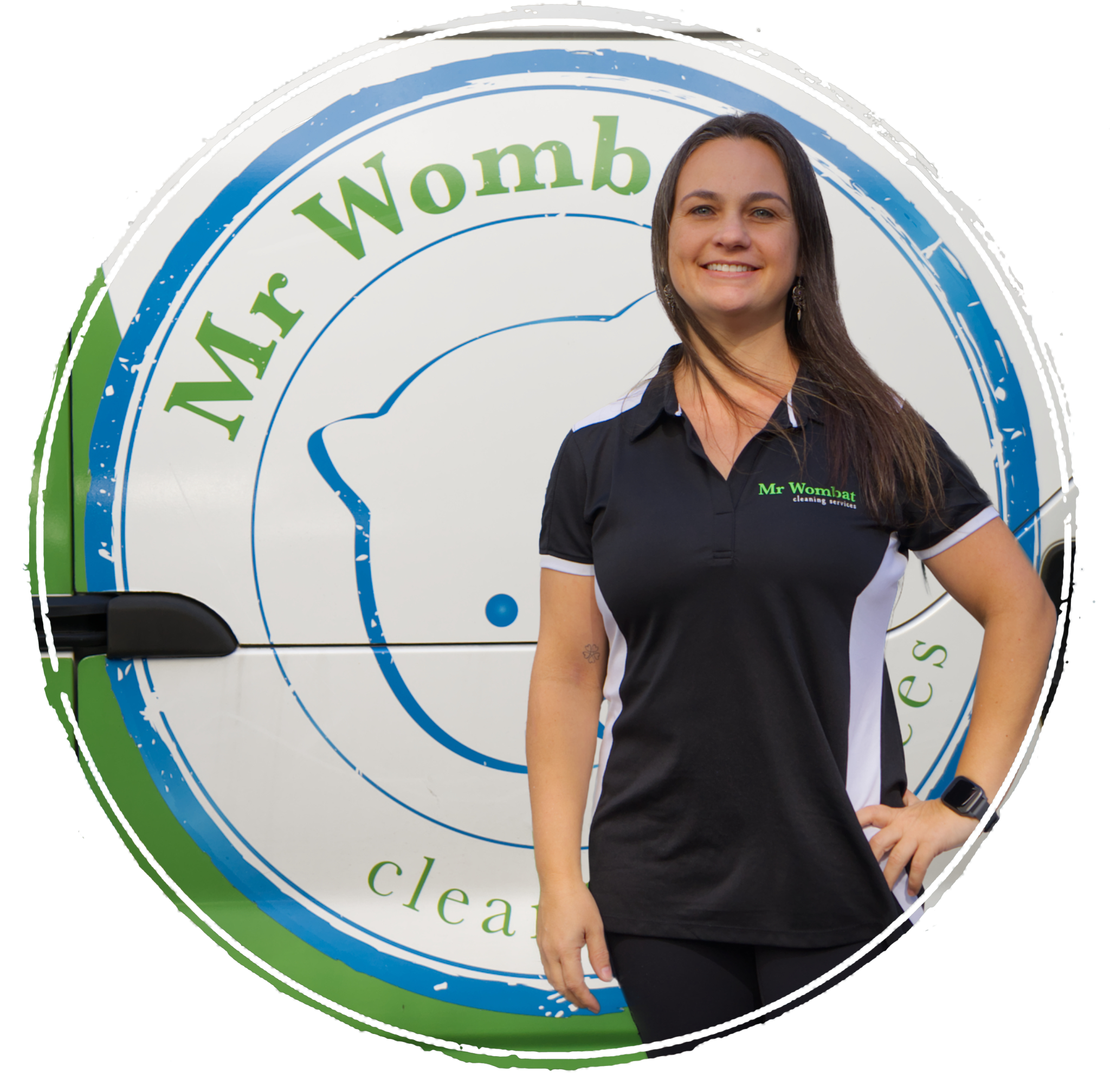
We’ve worked with iOnline on our online presence, and they have been exceptional from start to finish.
Their team provided clear strategies that not only improved our SEO rankings but also helped us drive real business growth.
We highly recommend their services to anyone looking for a reliable and results-driven digital partner.
Luciana Oliveira
Director, Mr Wombat Cleaning Services
Services
Your website’s design isn’t a standalone aspect that can be stacked on at any time.
It’s fed by your strategy, woven into your copy, the cornerstone of your front-end coding.
UX and UI design are inseparable from the rest of your marketing activities – and need to be approached as such.
That’s why we align our approach with your broader marketing objectives, creating a cohesive experience across every touchpoint.
It’s a philosophy that extends internally too.
Our designers collaborate with our copywriters, developers, and SEOs – no silos, just one unified team guiding your brand forward.
People
Frazer Linscott
UI Developer
Claire Sempf
Website Designer
Duncan Croker
Content Strategist
Thinking
Understand how the design of digital spaces shapes user behaviour – how they find information and how they make purchase decisions.
Website Development, Copy Orchestration, Visual Design
Questions
In digital contexts, user experience (UX) design relates to the design of the total user experience – for example, how a user navigates your website from landing page to contact form. It covers concepts like information hierarchy, usability, and navigability. Customer journey mapping, user journey mapping, and wireframing all fall under UX design.
User interface (UI) design refers specifically to the design of digital interfaces, like web pages or app screens. It focuses on the visual and interactive aspects, which are rendered in mockups.
Both UX and UI are essential for building effective, aesthetic websites and apps.
Design heuristics – also known as usability or UX heuristics – are overarching principles that a designer can use to evaluate the effectiveness of a given digital touchpoint, like a website or an app.
The most widely used heuristic is the Nielsen 10, developed by Jakob Nielsen (a leading design consultant). Nielsen’s 10 principles are:
When we conduct design audits, we deploy proprietary heuristics developed over our 24 years of web design experience. These include elements of popular heuristics like the Nielsen 10 and principles specifically for digital touchpoints.
Most people don’t read web pages in the way they read books. Instead of going over every single sentence, they tend to scan, using information foraging techniques (see more on that in the next FAQ) to quickly find what they need.
The layer cake pattern is one of the most common digital reading patterns. Its name comes from the ‘layers’ that get created when users only read the headings on a web page – an approach that’s ideal for quickly filtering out irrelevant sections.
The F-shaped pattern is similar, with users reading a few lines at the top of a page, scrolling down, reading a few lines further in, then continuing to scroll (forming an ‘F’ shape in eye-tracking studies).
Other common reading patterns include the spotted pattern (where users hunt for a particular keyword or image) and the commitment pattern (where users read most or all of a page sequentially).
Wondering why we’ve focused so much on reading patterns? Well, despite years of people claiming that ‘video is king’, text is still the preferred medium for digital information consumption. It’s accessible to anyone, can be indexed by search engines, and doesn’t force users into sequential consumption – people can scan, scroll and search to quickly find what they need.

Information foraging is a user behaviour theory developed in the late 1990s. Its basic premise is that, in digital contexts, users hunt for information in a way that maximises the value they get compared to the cost of searching.
Rather than reading every single word on a web page or clicking every link in Google, users operate like animals foraging for food. They enter ‘patches’ (different digital spaces) in search of information, following ‘scents’ (clues about where the information will be and how value it will be).

Most users have also developed ‘enrichments’ – behaviours that allow them to forage more effectively. For example, a user might quickly explore different patches by opening up multiple pages; they can then quickly assess each page and close it if it doesn’t meet their foraging goals.
Information foraging isn’t an abstract theory. It’s integral to how users navigate the web – and designing your digital spaces with concepts like info scents in mind helps improve accessibility, interaction, and conversion rates.
Team Member Name
Team Member Title
Watching: TV
Listening: Music
Reading: Book
Drinking: Drink
Quoting: Quote
Obsessed With: Love
Why I love what I do:
Enter text
I am not about:
Enter text